Critical minerals are indispensable elements for the development of modern technologies and green energy solutions. As Europe aims to reduce dependence on external sources, the mining sector, particularly in countries like Romania, is gaining strategic importance. Understanding the role of critical minerals in the European and Romanian context is vital for shaping sustainable industrial policies.
The importance of critical minerals in Europe’s industrial transition
Europe’s shift towards clean energy, digitalization, and advanced manufacturing relies heavily on a steady supply of critical minerals. These minerals, including lithium, cobalt, and rare earth elements, are fundamental components for electric vehicle batteries, wind turbines, and electronic devices. The European Union recognizes that access to these resources is crucial for achieving climate neutrality by 2050. Consequently, securing stable and sustainable sources of critical minerals has become a key part of the bloc’s strategic agenda.
Romania’s geological potential in critical minerals
Romania possesses significant geological reserves that include various critical minerals such as nickel, cobalt, and manganese. Recent geological surveys have identified promising deposits in regions like the Carpathian Mountains and the Transylvanian Basin. These findings position Romania as a potential supplier of essential materials needed for Europe’s green and digital transition. However, extracting these minerals requires careful planning to align with environmental protection and local community interests.
Challenges facing critical minerals mining in Europe
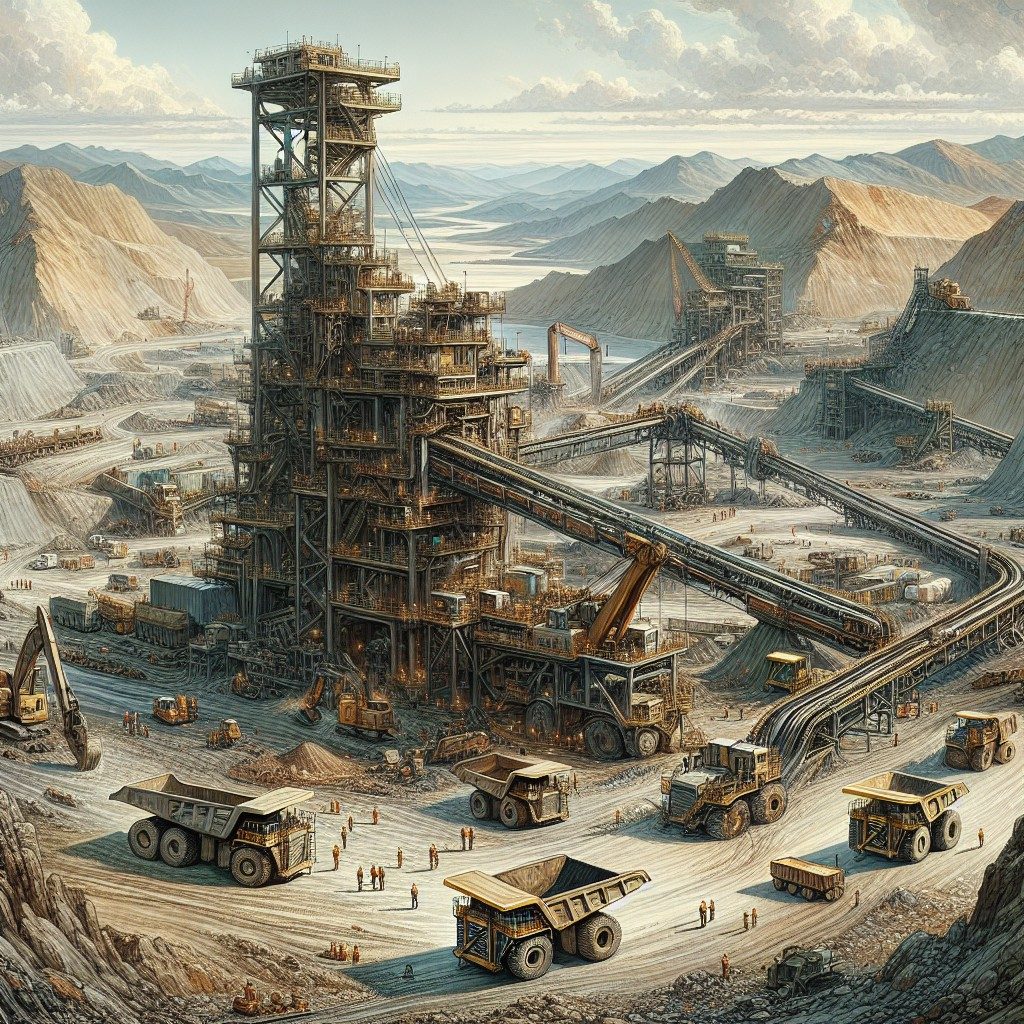
The mining of critical minerals in Europe faces multiple challenges that impact production and supply stability. Environmental regulations, labor shortages, and the complexity of sustainable extraction techniques contribute to delays and increased costs. Additionally, geopolitical tensions and global market fluctuations affect access to imported materials. Addressing these challenges is necessary for Europe to diminish strategic vulnerabilities associated with critical minerals dependence.
European policies promoting domestic critical minerals production
The European Union has introduced strategic frameworks to boost domestic production and reduce reliance on imports. Initiatives include funding for exploration projects, investment in technological innovation, and cooperation between member states. For instance, the EU Critical Raw Materials Act aims to streamline permitting processes and enhance recycling efforts. Such policies encourage countries like Romania to expand their mining activities responsibly, contributing to the regional supply chain for critical minerals.
The socioeconomic impact of expanding mining in Romania
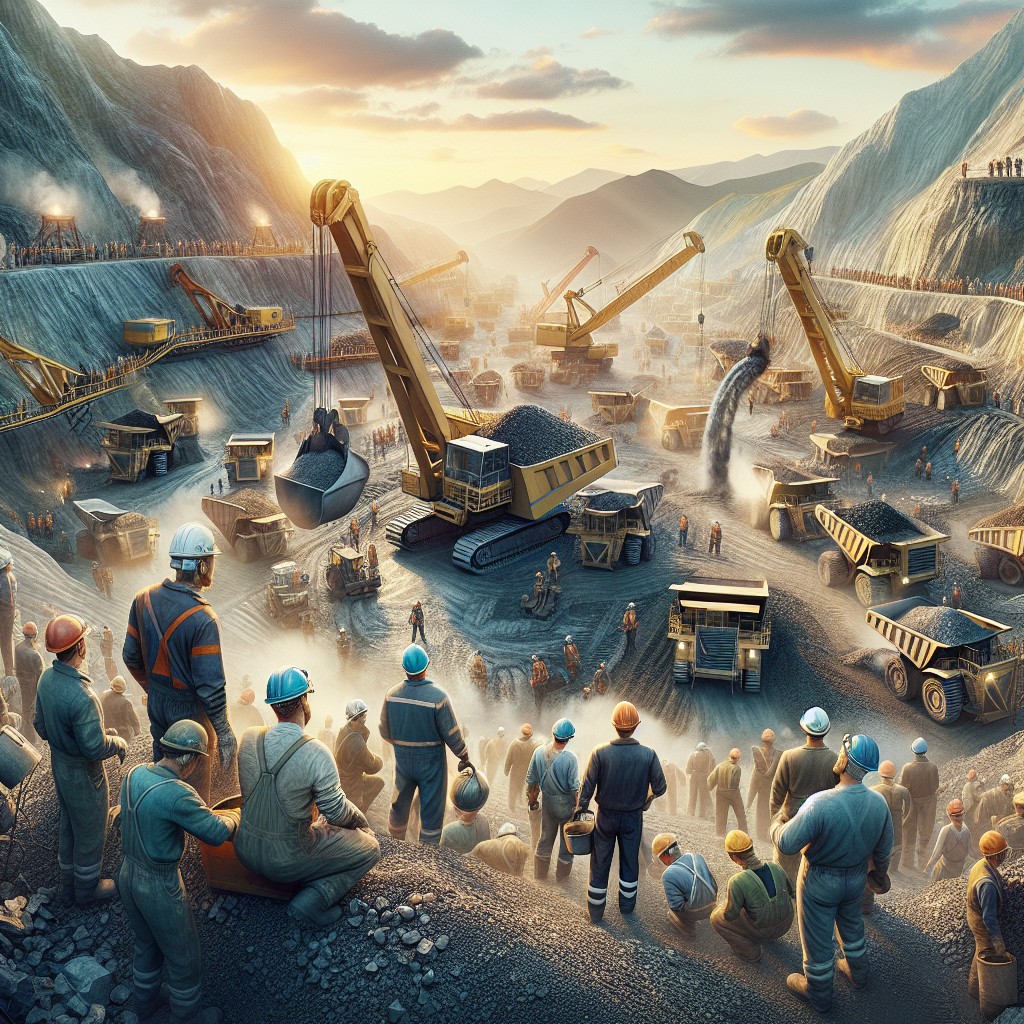
Boosting mining activities for critical minerals brings potential economic benefits for Romania, including job creation and increased investments. Developing mining infrastructure can stimulate local economies, particularly in underdeveloped areas. Nonetheless, the expansion must balance socioeconomic gains with environmental concerns and social acceptance. Transparent communication and adherence to EU sustainability standards remain essential to ensure that mining development aligns with broader European objectives.
Conclusion
The role of critical minerals in Europe’s green and digital transformation highlights the strategic necessity of mining both within the EU and in member states such as Romania. While challenges related to environmental impact and supply security persist, ongoing policy support and geological potential signal that mining will remain a critical component of Europe’s resource strategy. Over the coming years, sustainable mining development is likely to enhance Europe’s autonomy in essential raw materials, reinforcing its position in the global economy.
Frequently Asked Questions about critical minerals
What are critical minerals and why are they important?
Critical minerals are natural resources essential for manufacturing and technology sectors, particularly for clean energy and digital devices. Their importance stems from their limited supply and high demand in key industries.
How does Romania contribute to Europe’s critical minerals supply?
Romania holds notable reserves of several critical minerals such as cobalt and nickel, which can supply Europe with necessary raw materials while supporting local economic development.
What challenges does the mining of critical minerals face in Europe?
Mining of critical minerals in Europe encounters environmental regulations, permitting delays, and market uncertainties, which impact the production and supply chain stability.
What measures is the European Union taking to secure critical minerals?
The EU implements policies including investment in exploration, promotion of recycling, and simplification of permitting processes to secure sustainable supplies of critical minerals within its territory.
Why is sustainable mining important for critical minerals production?
Sustainable mining ensures that extraction of critical minerals minimizes environmental impact and respects social considerations, which is essential for long-term availability and community support.